Ingredient profile
Lutein, Zeaxanthin and Bilberry Leaf in Nerve Savior: Eye Nutrients in a Nerve Formula
Nerve Savior lists three eye ingredients: lutein (5%), bilberry leaf powder and zeaxanthin (5%), in places 5, 6 and 10 of its 600 mg blend. By label order, that is at most about 6 mg of lutein and 3 mg of zeaxanthin. Both were studied for one eye disease, intermediate AMD, not for nerves, and bilberry has not been clearly shown to help any condition.
Written by the Nerve Savior editorial teamUpdated
The basics
What are lutein, zeaxanthin and bilberry, and why are they in Nerve Savior?
Lutein and zeaxanthin are plant pigments called carotenoids. Bilberry is a berry plant; Nerve Savior uses powder from its leaves, not the fruit.
All three are best known as eye ingredients. That makes them odd in a bottle labeled "Advanced Nerve Support." The brand does not say why they were added. None of the front claims mentions eyes.
Together they fill three of the 11 places in the blend, and none was tested for tingling, numbness or nerve pain.
| Label name | Lutein (5%), Zeaxanthin (5%), with Bilberry Leaf Powder |
|---|---|
| What it is | Eye carotenoids, likely 5% raw materials; bilberry leaf (Vaccinium myrtillus) |
| Type | Eye nutrients |
| Position on the label | 5, 10 and 6 of 11 in the blend |
| Amount per serving | Not printed (at most about 6 mg lutein and 3 mg zeaxanthin) |
| What research shows | AREDS2 used 10 mg lutein and 2 mg zeaxanthin for one eye disease (intermediate AMD); bilberry is not shown to help any condition |
| Strength of evidence | Eye research, not nerves |
| Why it is in the formula (brand view) | Eye ingredients in a nerve-branded formula |
| Main caution | These do not replace an eye exam. NCCIH says bilberry leaves may be unsafe in high doses or with long use. |
The amounts
How much lutein and zeaxanthin are in Nerve Savior?
At most about 6 mg of lutein and 3 mg of zeaxanthin per serving, and probably less. The label prints only the 600 mg blend total, but the order of the list sets a ceiling for each one.
FDA's labeling guide says blend ingredients go from heaviest to lightest (FDA, Dietary Supplement Labeling Guide). So the ingredient in place k can weigh no more than 600 ÷ k mg. The "5%" most likely means each raw material is 5% pigment. So the pigment is a twentieth of that weight. The label does not define it.
| Label name | Place | Most the material could weigh | Most active pigment |
|---|---|---|---|
| Lutein (5%) | 5 of 11 | 120 mg | About 6 mg lutein |
| Bilberry Leaf Powder | 6 of 11 | 100 mg | Not applicable |
| Zeaxanthin (5%) | 10 of 11 | 60 mg | 3 mg zeaxanthin |
The real amounts could be much lower. See every ceiling on the Supplement Facts page.
Dose check
How does Nerve Savior's lutein compare with the AREDS2 eye formula?
Watch the bars fill. Each one uses the most the label order allows.
Even at its ceiling, Nerve Savior's lutein reaches about 60% of the 10 mg in AREDS2 (National Eye Institute, AREDS/AREDS2). Its zeaxanthin ceiling of 3 mg is above the 2 mg AREDS2 used, but that is a maximum, not a promise. The first bar shows that alpha-lipoic acid, the nerve supplement with the most trials, is not in Nerve Savior (American Family Physician, 2016).
The research
What did AREDS2 actually show about lutein and zeaxanthin?
It showed a benefit for one eye disease at one stage. The AREDS and AREDS2 supplements cut the risk of going from intermediate to advanced age-related macular degeneration (AMD) by about 25 percent (National Eye Institute, AREDS/AREDS2).
That result has clear limits. The supplements did not prevent AMD from starting. People with no AMD or early AMD showed no benefit in AREDS (National Eye Institute, AREDS/AREDS2). The National Eye Institute says the formula probably will not help late AMD in both eyes, and advises talking with a doctor before starting (National Eye Institute, AMD Supplements).
AREDS2 tested eyes, not nerves. Its result cannot be borrowed to support a nerve claim. The FTC warns that research on an isolated ingredient may not support claims about a finished product (FTC, Health Products Compliance Guidance, 2022).
Side by side
Is Nerve Savior a substitute for an AREDS2 eye vitamin?
No. AREDS2 has six nutrients at set amounts. Nerve Savior shares two, with no amount printed for either.
| Nutrient | AREDS2 formula | Nerve Savior |
|---|---|---|
| Vitamin C | 500 mg | Not listed |
| Vitamin E | 400 IU | Not listed |
| Zinc | 80 mg | Not listed |
| Copper | 2 mg | Not listed |
| Lutein | 10 mg | Not published (at most about 6 mg) |
| Zeaxanthin | 2 mg | Not published (at most 3 mg) |
If your eye doctor says you have intermediate AMD, ask about a product that matches the AREDS2 list.
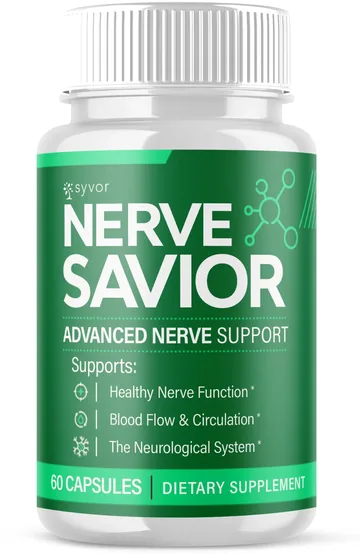
Try Nerve Savior for 30 days60 capsules · free 2-4 day shipping · 30-day returns on the listing
Order nowBilberry leaf
Does bilberry leaf do anything?
It has not been clearly shown to help any health condition, according to NCCIH (NCCIH, Bilberry).
NCCIH says the most rigorous studies did not find bilberry improved night vision in healthy people (NCCIH, Bilberry). No study has tested it for nerve symptoms.
The plant part matters. Bilberry fruit is considered safe in food amounts. The leaves are different: NCCIH says they may be unsafe in high doses or with long use (NCCIH, Bilberry). Nerve Savior uses the leaf, at most 100 mg per serving by its sixth place in the blend.
Because bilberry leaf may be unsafe with prolonged use and its amount is not printed, ask your doctor before taking Nerve Savior for many months in a row.
Fair view
Eye ingredients in Nerve Savior: points for and against
In their favor
- Lutein and zeaxanthin have real eye research behind them.
- The label lists all three by name and place.
- The zeaxanthin ceiling is close to the AREDS2 amount.
Against them
- None was studied for nerves.
- Amounts are not printed, and lutein is likely below the research dose.
- Bilberry has no clear benefit for any condition.
- Bilberry leaf carries a long-use caution.
Three of 11 places go to eye nutrients. Three more go to memory ingredients such as bacopa. For how a blend can hide amounts, read what proprietary blends hide.
Bottom line
Should the eye ingredients affect whether you buy Nerve Savior?
At these small amounts they add little, for eyes or nerves. For eye support, an AREDS2-style product with printed amounts is clearer. For tingling or numbness, start with a doctor's visit. Ask about blood sugar and B12 tests. The bottle's claims are weighed on the claims and evidence page.
FAQ
Lutein, zeaxanthin, bilberry and Nerve Savior: common questions
Does lutein help with nerve pain?
No study has shown that. Lutein's best evidence comes from AREDS2, which tested it with zeaxanthin and other nutrients for intermediate age-related macular degeneration, an eye disease. No trial has tested lutein for tingling, numbness or nerve pain. If you have nerve symptoms, see a doctor to find the cause.
How much lutein is in Nerve Savior?
The label does not say. Lutein (5%) is fifth of 11 in a 600 mg blend, so the raw material can be at most 120 mg, which is about 6 mg of lutein. That is roughly 60% of the 10 mg used in AREDS2, and the real amount may be lower.
Can Nerve Savior replace my AREDS2 eye vitamin?
No. The AREDS2 formula contains vitamin C, vitamin E, zinc, copper, lutein and zeaxanthin at set amounts. Nerve Savior lists only lutein and zeaxanthin, with no printed amounts and no vitamin C, E, zinc or copper. Keep taking what your eye doctor recommended unless they say otherwise.
Is bilberry leaf safe to take every day?
Maybe not for long periods. NCCIH says bilberry fruit is safe in food amounts, but bilberry leaves may be unsafe in high doses or with prolonged use. Nerve Savior uses bilberry leaf powder with no printed amount, so ask your doctor before using it for months.
Does bilberry improve night vision?
The best research says no. NCCIH reports that the most rigorous studies did not find bilberry effective for improving night vision in healthy people, and that it has not been clearly shown to help any health condition. Its presence in Nerve Savior is not backed by an eye or nerve trial.
What does Zeaxanthin (5%) mean on the label?
It most likely means the raw material is 5% zeaxanthin by weight. Zeaxanthin is tenth of 11 in the blend, so the material can weigh at most 60 mg, or about 3 mg of zeaxanthin. The label does not define the percentage, so ask the seller to confirm.
Can lutein and zeaxanthin prevent macular degeneration?
No. In AREDS and AREDS2, the supplements did not prevent AMD from starting, and people with no AMD or early AMD saw no benefit. They cut the risk of intermediate AMD becoming advanced by about 25 percent. The National Eye Institute advises talking with a doctor before starting them.
Who wrote this
Written and reviewed by
Plain-language pages built from the label, the sales listing and linked public health sources.
Last updated . Read our editorial standards and how we check reviews. This website is run by Thenervesavior, a U.S. stocking partner, not by the manufacturer or the distributor named on the label. We earn money when you buy through our order links.
Keep reading
More about Nerve Savior
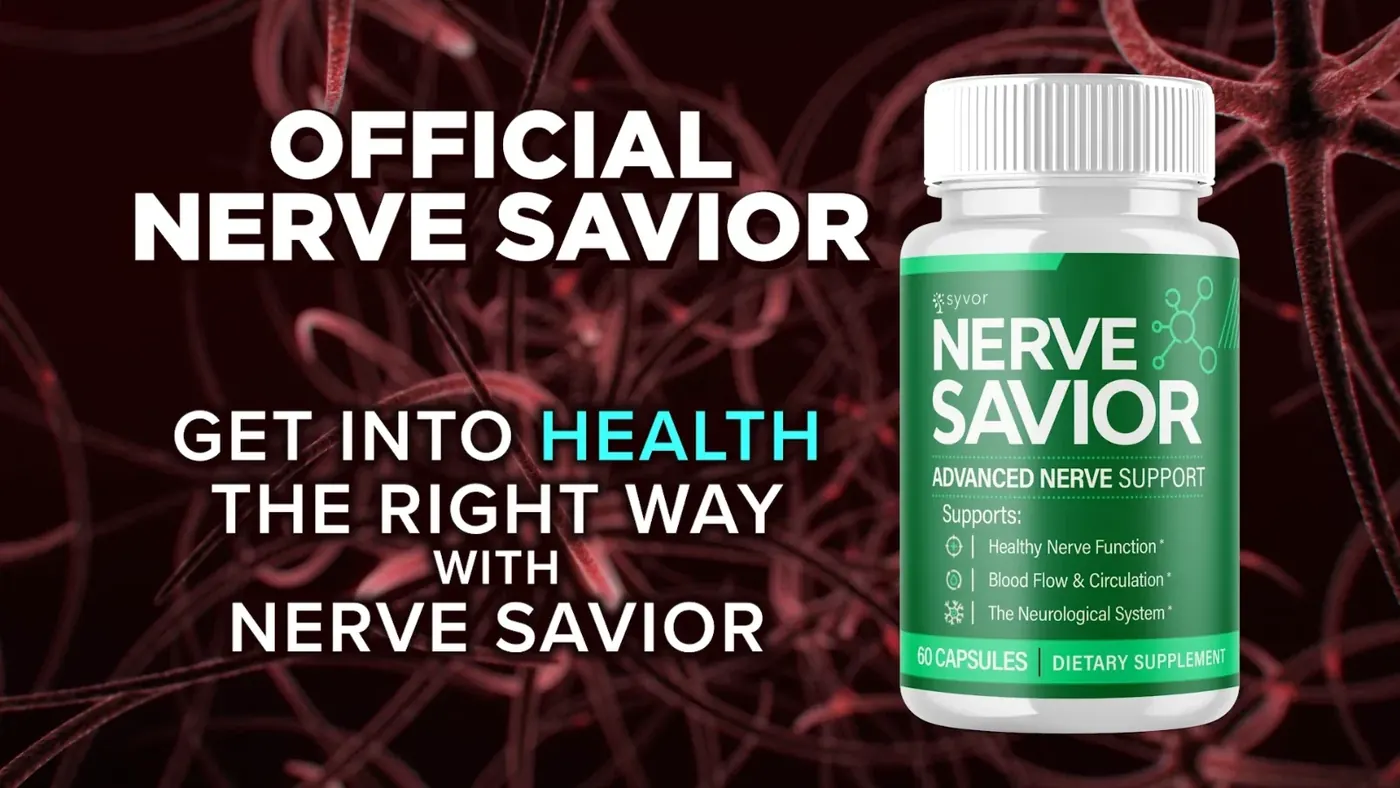
Claims and evidence
The bottle's four claims, flipped over to show the research behind each one, plus an ingredient-by-ingredient evidence table.
Read more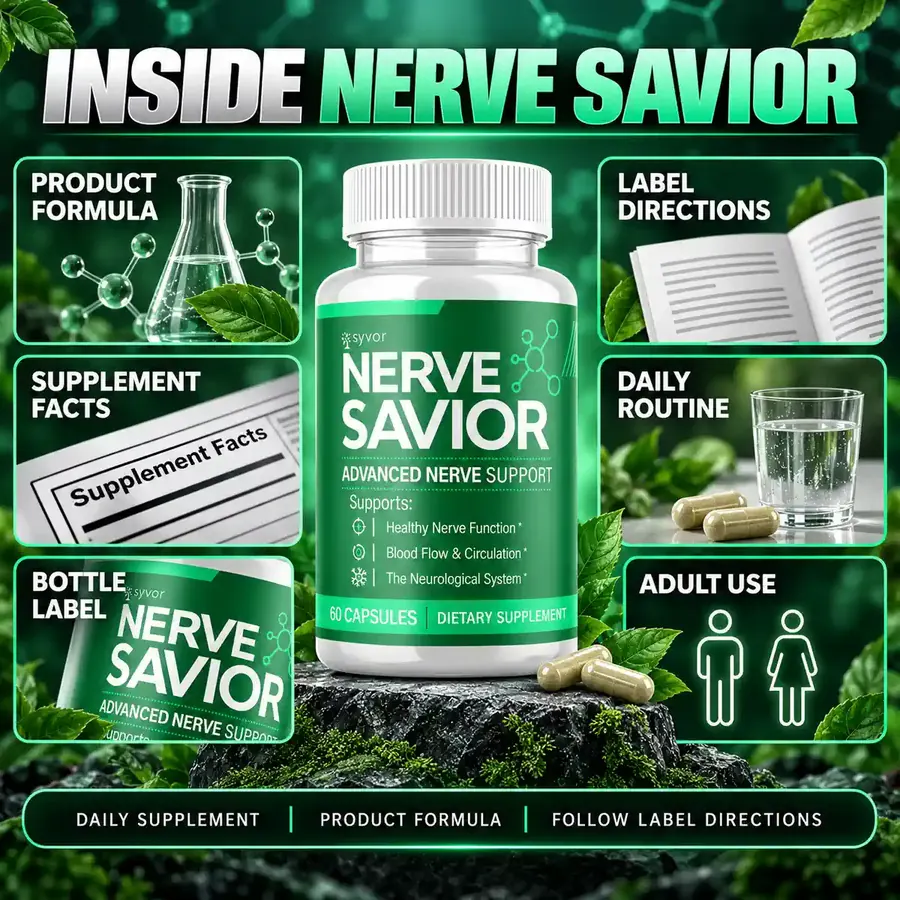
Bacopa monnieri
Bacopa in Nerve Savior: a memory herb with small attention gains in trials and no nerve research.
Read more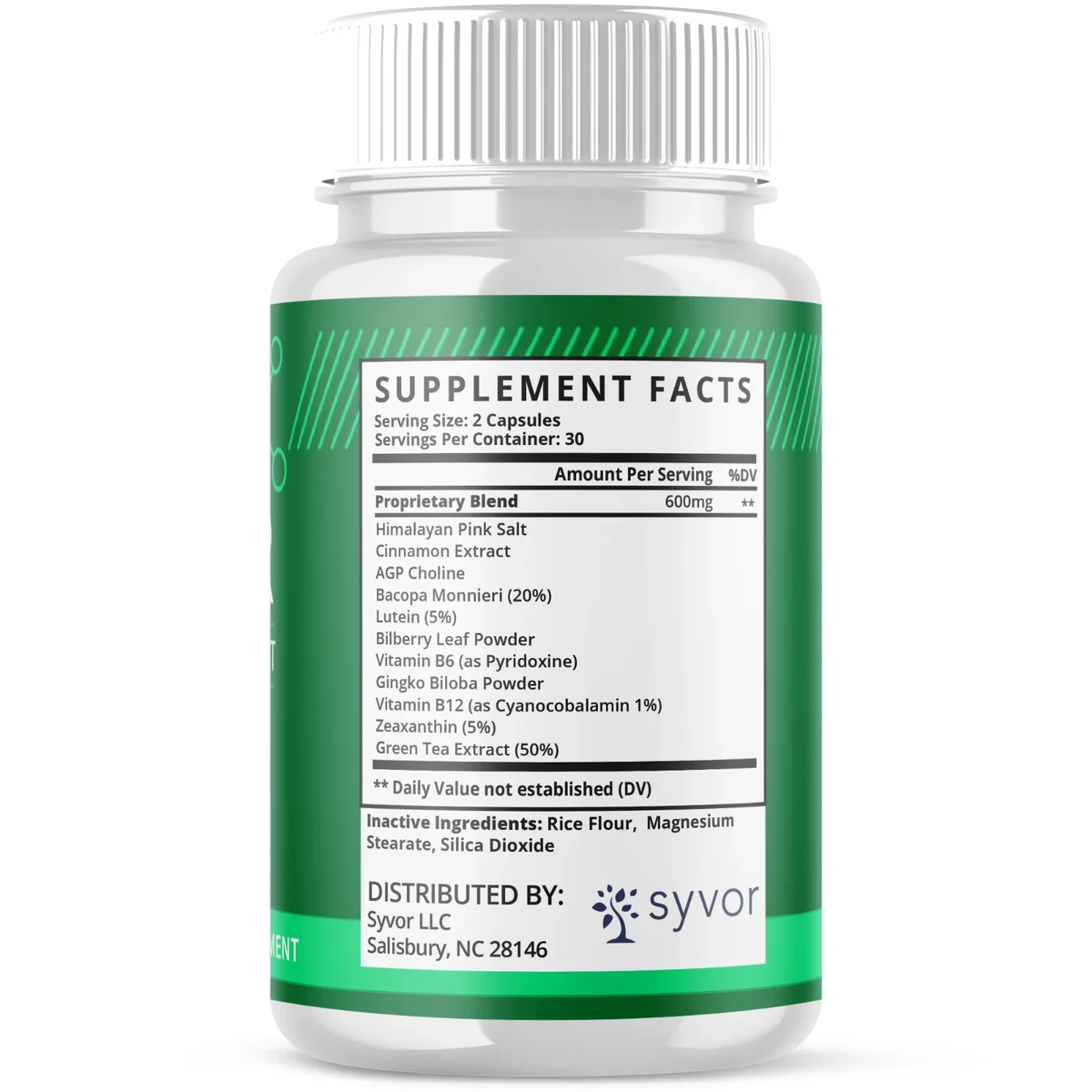
Proprietary blends
One total weight, 11 names, zero single amounts: how to read a proprietary blend and what to ask.
Read moreU.S. stocking partner for Nerve Savior
Ready to try Nerve Savior?
One bottle is a 30-day trial, with 30-day returns on the listing. Two capsules a day, between meals.
- Checkout on eBay
- Free 2-4 day shipping (listing)
- 30-day returns, seller pays