Ingredient profile
Ginkgo Biloba in Nerve Savior: What It Can and Cannot Tell You
Ginkgo biloba is the eighth of 11 ingredients in Nerve Savior's 600 mg blend, so it can weigh at most 75 mg per serving. The brand sells the formula for blood flow and circulation, and ginkgo is the ingredient tied to that idea. NIH sources found no neuropathy evidence, and ginkgo may raise bleeding risk with blood thinners such as warfarin.
Written by the Nerve Savior editorial teamUpdated
The basics
What is ginkgo biloba, and why is it in Nerve Savior?
Ginkgo biloba is a tree whose leaves are sold as an herbal supplement. In Nerve Savior it appears as a powder, the eighth of 11 ingredients in one 600 mg blend.
The front of the bottle says the formula supports "Blood Flow & Circulation." Of the 11 ingredients, ginkgo is the one most often marketed for circulation.
The label spells it "Gingko Biloba Powder." That is a common misspelling, not a different plant. We use the usual spelling, ginkgo, everywhere else.
The label does not say which part of the plant is used, how it was processed, or whether it is a standardized extract. Its strength is not printed.
| Label name | Gingko Biloba Powder |
|---|---|
| What it is | Ginkgo biloba leaf powder (spelled "Gingko" on the label) |
| Type | Leaf powder |
| Position on the label | 8 of 11 in the blend |
| Amount per serving | Not printed (at most 75 mg by label order) |
| What research shows | A 6-year study of 3,000+ older adults found no drop in dementia; NIH lists no neuropathy evidence |
| Strength of evidence | No nerve evidence found |
| Why it is in the formula (brand view) | Sold for blood flow and circulation |
| Main caution | Ginkgo may raise bleeding risk with blood thinners such as warfarin. Dizziness, stomach upset and headache are common side effects. |
The amount
How much ginkgo is in Nerve Savior?
The label does not say. Ginkgo is inside the proprietary blend, and only the blend's total weight is printed: 600 mg per 2-capsule serving.
There is one useful clue. FDA's labeling guide says blend ingredients are listed from heaviest to lightest (FDA, Dietary Supplement Labeling Guide). Ginkgo is in place 8, so at most it could weigh 600 ÷ 8, which is 75 mg. That is a ceiling from our own math, not a lab result. The real amount is probably lower.
| Place | Label name | Most it could weigh |
|---|---|---|
| 6 | Bilberry Leaf Powder | 100 mg |
| 7 | Vitamin B6 (as Pyridoxine) | About 86 mg |
| 8 | Gingko Biloba Powder | 75 mg |
| 9 | Vitamin B12 (as Cyanocobalamin 1%) | About 67 mg of material |
| 10 | Zeaxanthin (5%) | 60 mg of material |
Because ginkgo comes after vitamin B6 on the list, it weighs no more than the B6 does. See every ceiling on the Supplement Facts page.
The claim
Does ginkgo improve blood flow to the nerves?
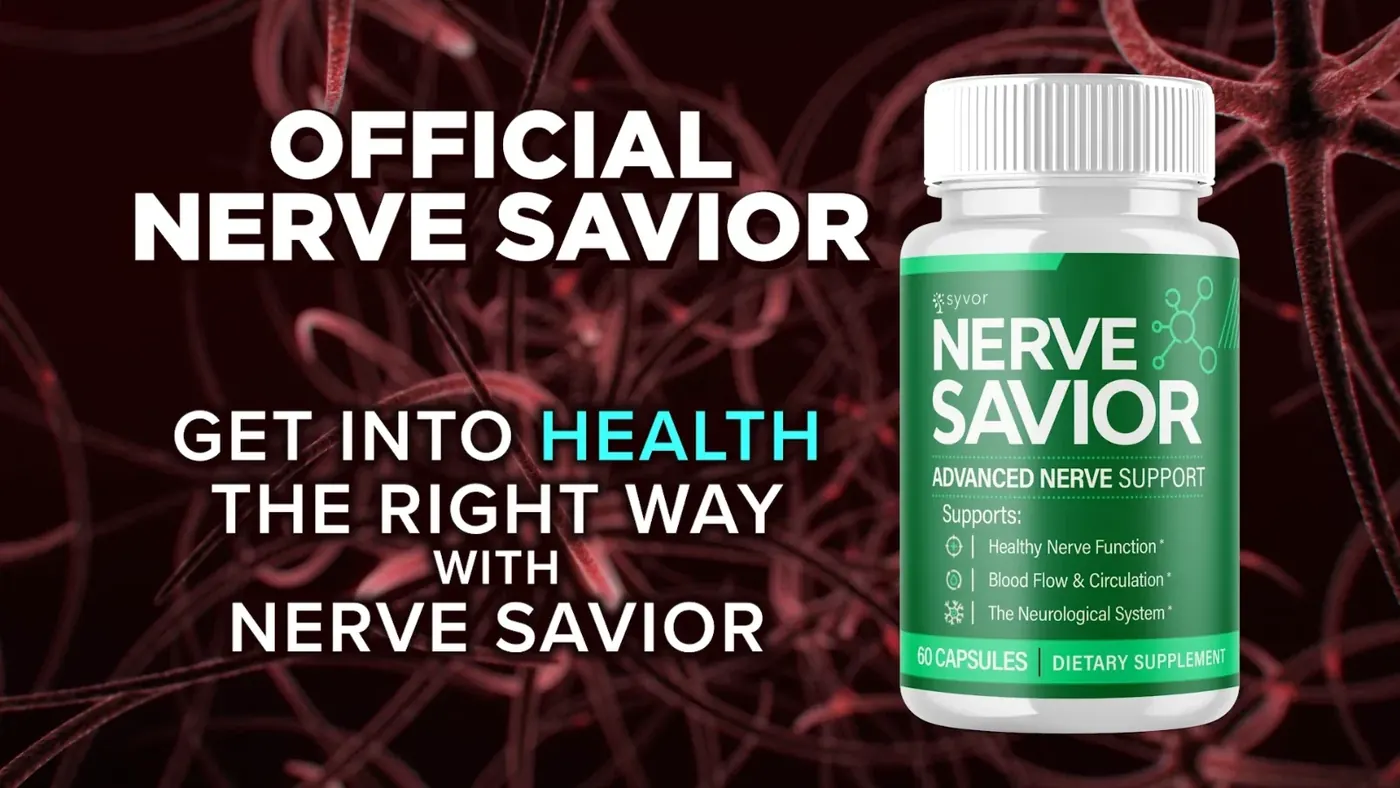
"Supports: Blood Flow & Circulation"
The claim carries an asterisk that points to the standard FDA statement. It is a structure/function claim, which FDA has not reviewed (FDA, Structure/Function Claims).
No nerve evidence found
The NIH page on ginkgo reviews memory and dementia research and does not mention neuropathy (NCCIH, Ginkgo). We found no NIH source showing ginkgo helps tingling or numbness.
The honest answer: it is not known. No published trial has tested ginkgo, or Nerve Savior, for nerve symptoms in the hands or feet. That is not proof it fails. It means the claim rests on marketing, not a nerve study.
The big trial
What did the largest ginkgo study find?
It found no difference in dementia. The Ginkgo Evaluation of Memory (GEM) study followed more than 3,000 people aged 75 or older for a median of about 6 years (NCCIH, Ginkgo).
Half took ginkgo and half took a placebo. At the end, rates of dementia, including Alzheimer's disease, were about the same in both groups. That trial was about memory, the same reason the eBay title calls Nerve Savior a "nootropic."
Ginkgo's best-known large trial did not show a memory benefit, and no trial tested it for nerves. Its place in a nerve-branded blend is a sales choice, not a research-backed one.
The FTC says health claims need competent and reliable scientific evidence, generally human trials, and that research on one ingredient may not support claims about a finished product (FTC, Health Products Compliance Guidance, 2022). Nerve Savior has no published trial of its own.
Safety
Is ginkgo safe with blood thinners?
Not without asking your doctor first. NCCIH says ginkgo may raise the chance of bleeding in people who take anticoagulants such as warfarin (NCCIH, Ginkgo).
The label does not print the amount, so you and your doctor cannot judge the dose. Your medicine list decides it.
If you take warfarin or another blood thinner, or have a surgery or dental work coming up, show your doctor or pharmacist the Nerve Savior label before you take it.
Side effects NCCIH lists for ginkgo
- Dizziness
- Stomach or intestinal upset
- Headache
These come from ginkgo research in general, not a study of Nerve Savior. Other ingredients have their own cautions: see side effects.
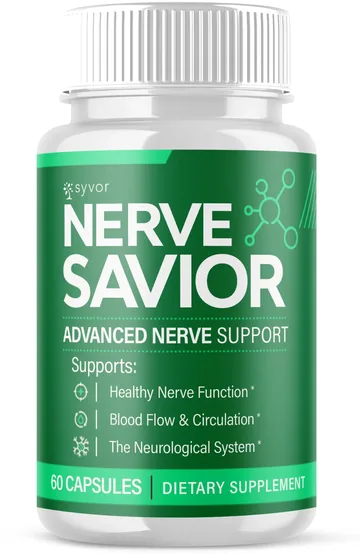
Try Nerve Savior for 30 days60 capsules · free 2-4 day shipping · 30-day returns on the listing
Order nowSide by side
How does ginkgo in Nerve Savior compare with what research tested?
| Question | Nerve Savior | GEM study |
|---|---|---|
| Goal | Sold for blood flow, circulation and nerve support | Prevent dementia |
| Who took it | Adults, per the label | More than 3,000 people aged 75 or older |
| How long | No study | Median of about 6 years |
| Result | No published result | No difference in dementia versus placebo |
The point is not that ginkgo is useless. The point is that the evidence answers a memory question, while the bottle asks you to think about nerves.
Fair view
Ginkgo in Nerve Savior: points for and against
In its favor
- It is named on the label, with its place in the weight order.
- It is a small share: eighth of 11, at most 75 mg.
Against it
- No amount or extract type printed.
- No neuropathy evidence found in NIH sources.
- Bleeding caution with anticoagulants.
- The big memory trial showed no dementia benefit.
For a wider look at the bottle's promises, read claims and evidence. For how ginkgo and green tea extract can mix with common medicines, see ginkgo, green tea and medicine interactions.
What to do
What should you do if your feet or hands tingle?
Find the cause before you pick a supplement. Mayo Clinic advises seeing a doctor right away for tingling, weakness or pain in the hands or feet, and lists diabetes, low B vitamins, thyroid disease and some medicines as causes (Mayo Clinic, Peripheral Neuropathy Symptoms).
Book a visit
Describe where you feel it, when it started and whether it is spreading.
Ask for basic tests
Blood sugar and vitamin B12 are common, simple places to start.
Bring your bottles
Show every supplement label, including Nerve Savior, so your doctor can check for ginkgo and B6.
More on causes and next steps in the tingling and numbness guide.
FAQ
Ginkgo biloba and Nerve Savior: common questions
Is there any evidence ginkgo helps peripheral neuropathy?
No evidence for it was found in NIH sources. The NCCIH ginkgo page covers memory and dementia research and does not mention neuropathy. Its largest trial, the GEM study, found no difference in dementia after about 6 years. If you have tingling or numbness, ask your doctor to look for the cause first.
How much ginkgo is in Nerve Savior?
The label does not print it. Ginkgo is eighth of 11 ingredients in a 600 mg blend listed by weight, so it can be at most 75 mg per 2-capsule serving. That ceiling is math from the label order, not a lab test, and the real amount is probably lower.
Can I take Nerve Savior if I am on warfarin?
Ask your doctor first. Nerve Savior contains ginkgo, and NCCIH says ginkgo may raise the chance of bleeding in people taking anticoagulants such as warfarin. Because the ginkgo amount is not printed, your doctor cannot judge the dose from the label alone. Bring the bottle to your appointment.
Why does the Nerve Savior label say Gingko instead of ginkgo?
It is a spelling mistake on the label, not a different plant. The Supplement Facts panel lists "Gingko Biloba Powder" eighth in the blend. The usual spelling is ginkgo. A typo does not change what is in the capsule, but it is worth knowing when you compare labels or search.
Can ginkgo biloba cause dizziness or headaches?
Yes, NCCIH lists dizziness, stomach or intestinal upset and headache among its common side effects. Ginkgo may also raise bleeding risk with blood thinners. These come from ginkgo research in general. No study has measured side effects of Nerve Savior itself, so tell your doctor about anything new after you start.
Is ginkgo good for circulation in the legs?
The research we checked does not show that. Nerve Savior's bottle says it supports blood flow and circulation, and ginkgo is the ingredient sold for that. But the NIH ginkgo page reports no nerve or circulation benefit we could cite. Poor circulation in the legs needs a doctor's exam, not a guess.
Is the ginkgo in Nerve Savior a standardized extract?
The label does not say. It lists "Gingko Biloba Powder" with no percentage, plant part or extract ratio. Several other ingredients carry a percentage, such as bacopa at 20%, but ginkgo does not. Without that detail, you cannot match it to the ginkgo products used in research.
Who wrote this
Written and reviewed by
Plain-language pages built from the label, the sales listing and linked public health sources.
Last updated . Read our editorial standards and how we check reviews. This website is run by Thenervesavior, a U.S. stocking partner, not by the manufacturer or the distributor named on the label. We earn money when you buy through our order links.
Keep reading
More about Nerve Savior
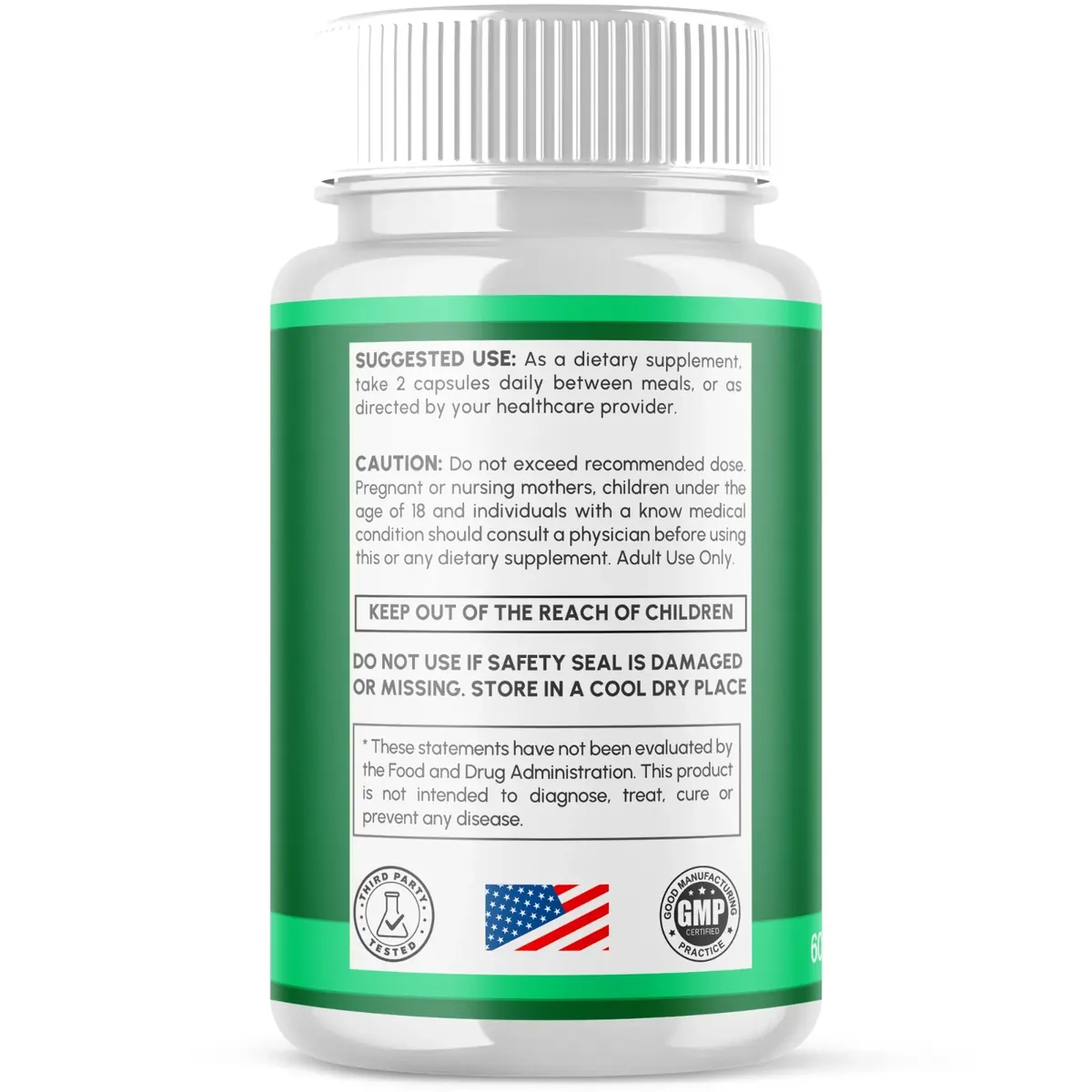
Side effects
Every known caution for Nerve Savior's 11 ingredients, the medicines to ask about, and the signs that mean stop.
Read more
Ginkgo, green tea and medicines
Nerve Savior contains ginkgo and green tea extract. Here is what NIH sources say about blood thinners, statins and the liver.
Read moreClaims and evidence
The bottle's four claims, flipped over to show the research behind each one, plus an ingredient-by-ingredient evidence table.
Read moreU.S. stocking partner for Nerve Savior
Ready to try Nerve Savior?
One bottle is a 30-day trial, with 30-day returns on the listing. Two capsules a day, between meals.
- Checkout on eBay
- Free 2-4 day shipping (listing)
- 30-day returns, seller pays