Blog · Foot care
Foot Care for Diabetic Neuropathy: A Daily Routine That Protects Your Feet
With diabetic neuropathy, numb feet can hide cuts, blisters and burns. CDC advises checking your feet every day, washing them in warm (not hot) water, never going barefoot, trimming nails straight across and getting a full foot exam at least once a year. See a doctor or podiatrist right away for a new sore, burning or loss of feeling.
Written by the Nerve Savior editorial teamUpdated · 9 min read
The risk
Why does diabetic neuropathy put your feet at risk?
Nerve damage dulls the warning signals your feet send. A blister or a burn from hot water can go unnoticed for days.
That matters because neuropathy is common with diabetes. About one-third to one-half of people with diabetes have peripheral neuropathy, and it usually starts in the feet and legs (NIDDK, Diabetic Neuropathies). CDC puts it at about half of people with diabetes having some form of nerve damage (CDC, Diabetes and Your Feet).
Mayo Clinic lists what can follow: skin injuries you do not feel, infection and falls (Mayo Clinic, Peripheral Neuropathy Symptoms). The American Diabetes Association calls keeping blood glucose on target the best line of defense (American Diabetes Association, Neuropathy). Daily foot care is the second line.
If your feet cannot feel trouble, your eyes have to find it. A two-minute look every day does the job your nerves used to do.
Every day
What should a daily foot check include?
Six steps, about two minutes, best done at the same time each day.
These steps follow CDC's advice on checking, washing, nail care and footwear (CDC, Diabetes and Your Feet).
Sit in good light
Take off socks and shoes and sit where you can see both feet clearly. Evening works well for most people.
Look at every surface
Check tops, soles, heels and between the toes for cuts, blisters, redness, swelling and calluses.
Wash in warm water
Use warm, not hot, water. Check the temperature with your elbow or a thermometer, then dry well, including between the toes.
Trim nails straight across
When nails need it, cut straight across. Ask a podiatrist for help if your nails are thick or hard to reach.
Put on clean socks and shoes
Feel inside each shoe first. Wear footwear indoors as well as outside.
Write down anything new
Note any change and call your doctor or podiatrist the same day for a sore, blister or new loss of feeling.
Cannot see your soles? A hand mirror on the floor or a family member can help. If you cannot feel heat well, test bath water with your elbow or a thermometer instead of your foot.
At a glance
Which foot care habits do CDC and Mayo Clinic recommend?
Both sources agree on a short list of habits, how often to do them and why.
| Habit | How often | Why it helps |
|---|---|---|
| Look at both feet | Every day | Finds cuts, blisters, redness and calluses you may not feel |
| Wash in warm, not hot, water | Every day | Hot water can burn skin that has lost feeling |
| Wear shoes and socks | Always, indoors too | Going barefoot invites cuts and bruises you will not notice |
| Trim toenails straight across | As needed | Lowers the chance of cutting the skin at the corners |
| Low-impact activity | Most days; Mayo suggests walking three times a week | Walking, cycling or swimming keep you moving with less strain on the feet |
| Complete foot exam | At least once a year | A trained eye checks feeling, skin and circulation |
| Quit smoking, limit alcohol | Ongoing | Both are part of standard nerve care |
A day of foot care
How can foot care fit into a normal day?
Tie each habit to something you already do. The dial shows one way to spread them out.
- Mid-morning, about 10:30
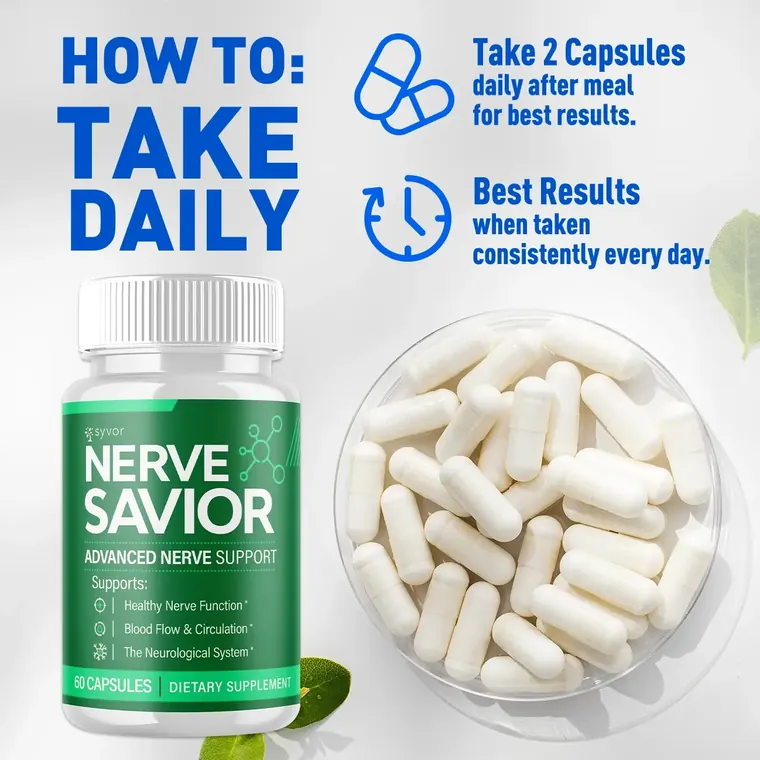
2 capsules between breakfast and lunch, with water.
- Evening foot check
Look for cuts, blisters or redness every day, especially with diabetes.
- A walk
Regular walking is part of standard nerve care.
- Sleep
Rest, and keep alcohol low: heavy drinking damages nerves.
Foot care (CDC, Diabetes and Your Feet), exercise (Mayo Clinic, Peripheral Neuropathy Treatment), alcohol (MedlinePlus, Alcoholic Neuropathy).
The evening foot check is the anchor: socks off, feet checked before bed. The mid-morning dot is for people who take a supplement between meals, and it is optional. The foot check and the walk are not. If you use Nerve Savior, see how to use it.
Do not wait
When should you see a doctor about your feet?
CDC says to see a doctor or podiatrist right away for any of these (CDC, Diabetes and Your Feet):
- Tingling, burning or pain in your feet
- Less ability to feel touch, heat or cold
- A blister, sore or ulcer, even a small one
New, spreading or worsening numbness, weakness or pain also needs a visit. Sudden weakness or numbness on one side of the body is an emergency: call 911.
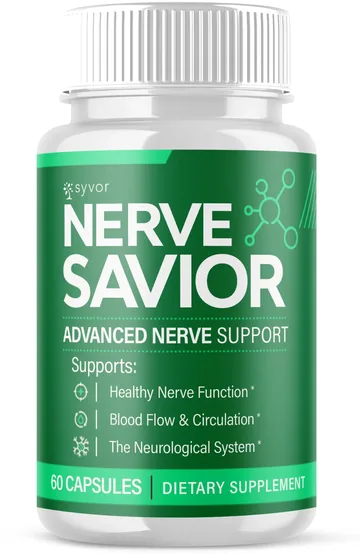
Try Nerve Savior for 30 days60 capsules · free 2-4 day shipping · 30-day returns on the listing
Order nowEveryday choices
Which everyday choices protect feet with neuropathy?
Shoes, movement and habits all count. Three areas make the most difference.
Never go barefoot
CDC advises against going barefoot, even at home (CDC, Diabetes and Your Feet). Run a hand inside each shoe first to feel for stones or seams.
Choose low-impact movement
Walking, cycling and swimming are the activities CDC names (CDC, Diabetes and Your Feet). Mayo Clinic lists regular exercise, such as walking three times a week, among lifestyle steps for neuropathy (Mayo Clinic, Peripheral Neuropathy Treatment). Check your feet after any new activity.
Cut smoking and alcohol
Mayo Clinic includes quitting smoking and avoiding excessive alcohol (Mayo Clinic, Peripheral Neuropathy Treatment). MedlinePlus says up to half of long-term heavy drinkers develop alcohol-related nerve damage (MedlinePlus, Alcoholic Neuropathy), which can add to diabetic nerve damage.
Supplements
Can a supplement like Nerve Savior replace foot care?
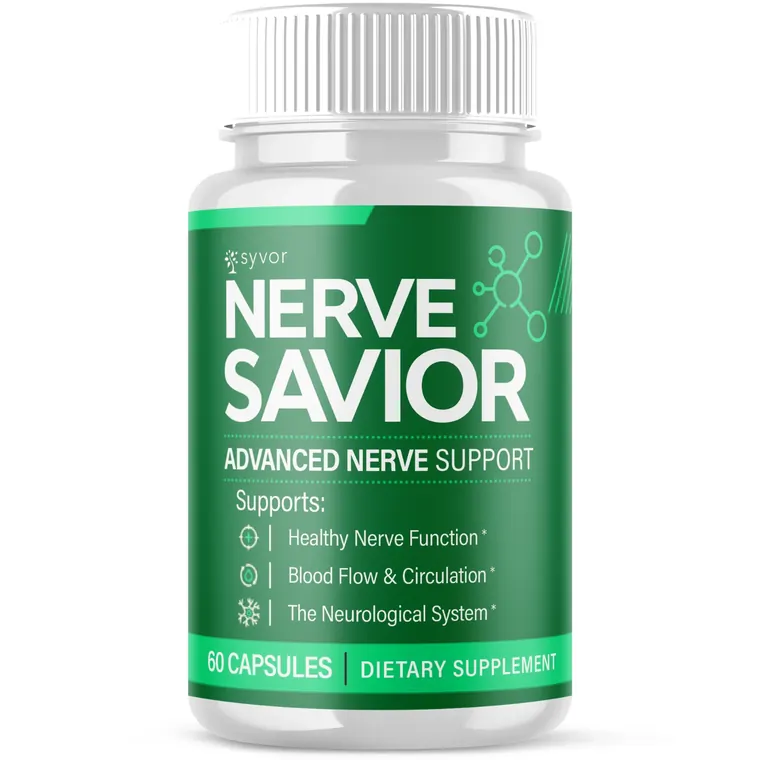
No. Nerve Savior is a dietary supplement, not foot care and not a neuropathy treatment. No published trial has tested it for feet, nerves or diabetes.
The bottle says "Advanced Nerve Support." Inside is a 600 mg blend of 11 ingredients, mostly memory herbs and eye nutrients, plus two B vitamins. It cannot spot a blister or lower blood sugar.
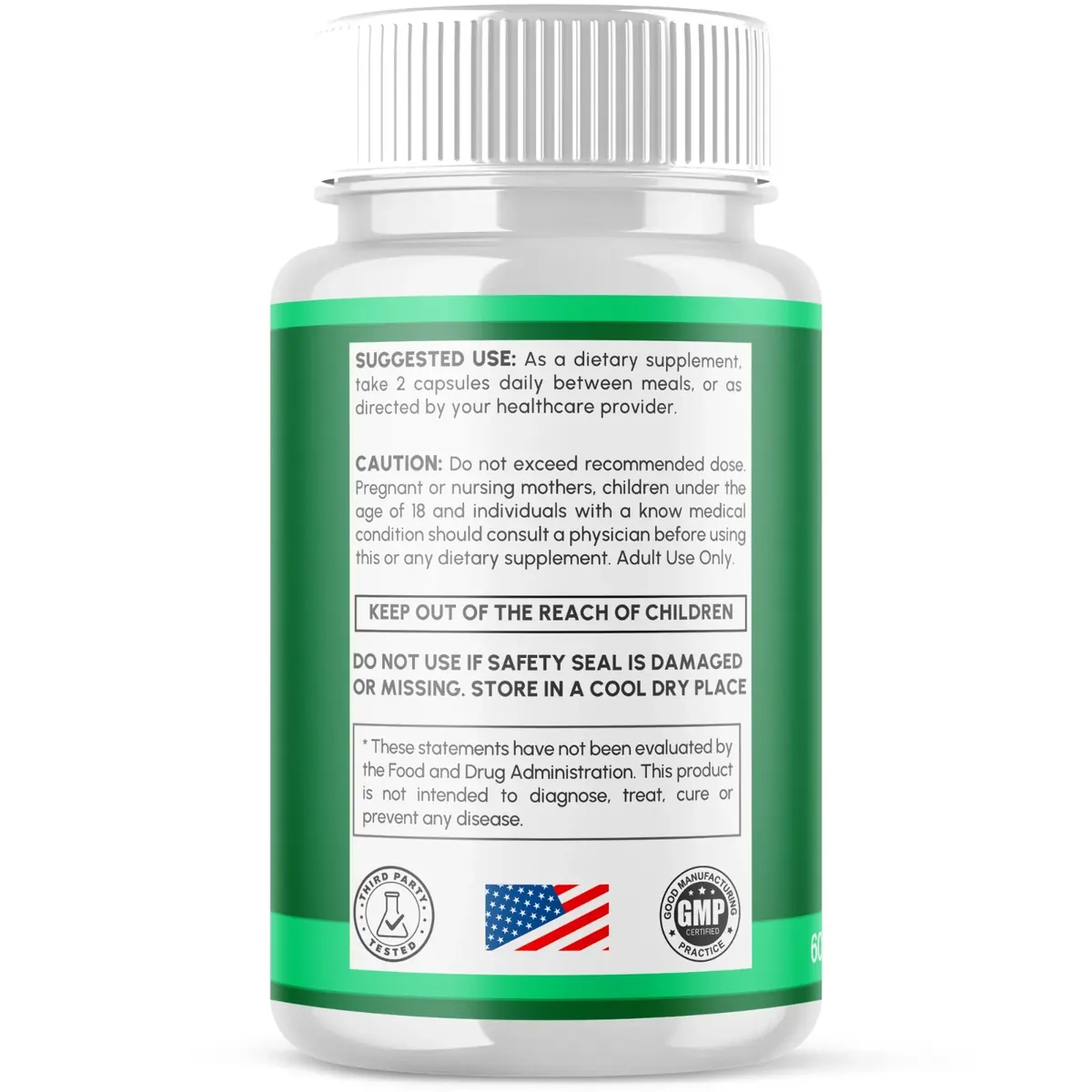
Two points matter for people with diabetes. First, metformin can lower vitamin B12, and low B12 can cause numbness and tingling (NIH ODS, Vitamin B12). A blood test answers that question better than any capsule; see metformin and vitamin B12. Second, the label prints no amount for vitamin B6, and too much B6 over time can itself cause nerve damage (NIH ODS, Vitamin B6). Read more on B6 and nerves.
Once a year
How do you get the most from a yearly diabetic foot exam?
Book a complete foot exam at least once a year, as CDC advises (CDC, Diabetes and Your Feet), and come prepared. A short list turns a quick look into a useful visit.
- Bring notes on where you feel tingling or numbness and when it is worse.
- List every supplement you take, with the B6 and B12 amounts if they are printed.
- Ask whether a B12 test or a blood sugar review makes sense for your symptoms.
If nerve pain is part of the picture, Mayo Clinic lists medicines such as gabapentin, pregabalin, duloxetine and lidocaine patches (Mayo Clinic, Peripheral Neuropathy Treatment). Your doctor can explain which fits you. The tingling and numbness guide covers other causes worth ruling out, and the treatment comparison shows the evidence side by side.
FAQ
Diabetic foot care questions
How often should you check your feet if you have diabetic neuropathy?
Every day. CDC advises a daily look at both feet for cuts, blisters, redness, swelling and calluses, because nerve damage can hide injuries you would normally feel. Many people do it in the evening, when socks come off, and use a mirror for the soles.
Is it safe to walk barefoot at home with neuropathy?
No. CDC advises never going barefoot, indoors or out, if you have diabetes. Numb feet may not feel a sharp object, a hot floor or a stubbed toe. Wear shoes or slippers with firm soles, and feel inside them before you put them on.
How should you cut your toenails with diabetic neuropathy?
Trim them straight across, as CDC recommends, which lowers the risk of nicking the skin at the corners. If your nails are thick, curved or hard to reach, or your eyesight makes it difficult, ask a podiatrist to trim them instead of risking a cut.
What foot problems need a doctor right away with diabetes?
CDC says to see a doctor or podiatrist right away for tingling, burning or pain in the feet, less ability to feel touch, heat or cold, or any blister, sore or ulcer. Small wounds can grow quickly when you cannot feel them, so do not wait for pain.
Can Nerve Savior help numb feet from diabetes?
There is no evidence that it does. No trial of Nerve Savior exists, and most of its ingredients were studied for memory or eyes. It is a dietary supplement, not a diabetes or neuropathy treatment. Blood sugar control, daily foot checks and a B12 test are better first steps.
How often do you need a diabetic foot exam?
At least once a year, according to CDC, and sooner if you notice a sore, a change in feeling or a change in the shape of your foot. Bring notes on your symptoms and a list of every medicine and supplement you take to make the visit count.
Who wrote this
Written and reviewed by
Plain-language pages built from the label, the sales listing and linked public health sources.
Last updated . Read our editorial standards and how we check reviews. This website is run by Thenervesavior, a U.S. stocking partner, not by the manufacturer or the distributor named on the label. We earn money when you buy through our order links.
Keep reading
More about Nerve Savior
Tingling and numbness guide
Common causes of tingling and numbness, the red flags, what a doctor checks, and daily foot care.
Read moreMetformin and B12
Metformin can lower B12, and low B12 can mimic diabetic nerve symptoms. What to ask, and what not to change.
Read moreNerve Savior vs treatments
Nerve Savior side by side with the neuropathy options that have trials and guidelines behind them.
Read moreU.S. stocking partner for Nerve Savior
Ready to try Nerve Savior?
One bottle is a 30-day trial, with 30-day returns on the listing. Two capsules a day, between meals.
- Checkout on eBay
- Free 2-4 day shipping (listing)
- 30-day returns, seller pays